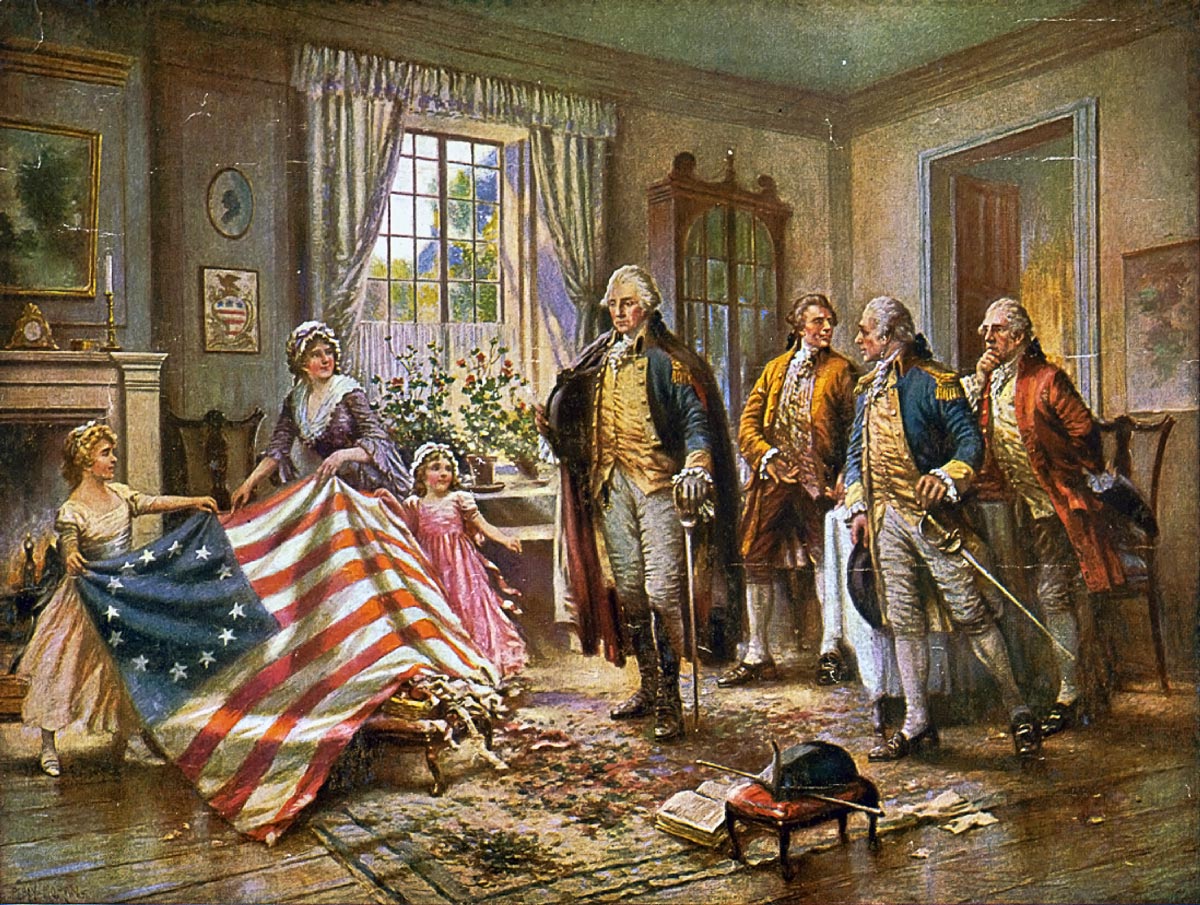
Unfolding the Stories Behind the Stars and Stripes: A Journey through the Flags of America
From the first flag sewn by Betsy Ross to the current design that proudly waves across the nation, each flag has a unique story to tell. Join us as we delve into the significance behind the stars, the stripes, and the colors that make up these powerful emblems. Discover the meanings behind the changes in design, and how each flag reflects the values, struggles, and triumphs of the American people.
Whether you’re a history enthusiast, patriotic citizen, or simply curious about the evolution of one of the most recognizable symbols in the world, this journey promises to unveil the hidden stories behind the Stars and Stripes. Get ready to be captivated by the rich tapestry of history woven into each flag, as we explore the fascinating evolution of America’s beloved emblem.
The History of the American Flag
Over the years, as the country expanded and new states were added, the flag underwent several changes to accommodate the growing number of stars. In 1818, Congress passed a law that fixed the number of stripes at thirteen, representing the original colonies, and added a star for each state. This design, known as the “Star-Spangled Banner,” is still in use today. It is a testament to the enduring legacy of the American flag and the values it represents.
The American flag has witnessed countless pivotal moments in the nation’s history. It has flown proudly during times of war and conflict, serving as a symbol of American resilience and determination. It has been raised on the moon by astronauts during the Apollo missions, a powerful reminder of American achievements in space exploration. It has been draped over the caskets of fallen soldiers, a solemn tribute to their sacrifice.
The American flag has become woven into the fabric of the nation, a symbol of unity, freedom, and hope. Its history is intertwined with the history of the United States itself, and its story continues to unfold with each passing year.
Evolution of American Flag Design
 In addition to the stars, the stripes on the American flag have also undergone changes. The original flag had thirteen stripes, representing the original colonies. In 1818, Congress decided to fix the number of stripes at thirteen, symbolizing the unity of the original states. This design has remained unchanged ever since.
The colors of the flag, red, white, and blue, also have symbolic significance. Red symbolizes valor and bravery, white represents purity and innocence, and blue signifies vigilance, perseverance, and justice. Together, these elements make up the powerful symbolism of the American flag, representing the values and ideals of the nation.
Meaning Behind the Stars and Stripes
The number of stars on the flag has changed over time as new states were added to the Union. Today, there are fifty stars on the flag, representing the fifty states of the United States. The arrangement of the stars has also changed, reflecting the addition of new states. The stars are organized in rows and columns, with each state represented by a star. The design of the stars has also evolved, with different sizes and shapes used throughout history. These changes in design reflect the growth and expansion of the United States, as well as the changing political landscape of the nation.
Famous Moments in American Flag History
Another famous moment involving the American flag is the planting of the flag on Iwo Jima during World War II. The iconic photograph captured the bravery and determination of American soldiers as they fought to secure the island. The image has become a symbol of American heroism and sacrifice, and the flag that was raised on that day is now a treasured artifact in American history.
The American flag has also played a significant role in the civil rights movement. During the Selma to Montgomery marches in 1965, civil rights activists carried the American flag as a symbol of their fight for equality and justice. The flag became a powerful tool in their struggle, representing the ideals of freedom and democracy that they were fighting for. The American flag continues to be a symbol of hope and progress for marginalized communities, reminding us of the ongoing fight for equality and justice.
Flag Etiquette and Proper Display
When displaying the flag, it should always be flown with the blue field of stars facing upward, except in cases of extreme distress. The flag should never touch the ground, and it should be handled with care and reverence.
When the flag is displayed alongside other flags, it should always be placed in a position of honor. If placed on a flagpole with other flags, the American flag should be at the peak, above any other flags. When displayed indoors, the flag should be placed to the right of the speaker or on the wall behind the speaker. If the flag is displayed on a car or a window, it should be placed on the right side.
It is also important to properly fold the flag when it is not being displayed. The proper way to fold the flag is in a triangular shape, with the stars visible on the outside. This folding technique is symbolic and represents the values and ideals of the nation.
The Significance of Flag Day in America
On Flag Day, many communities hold parades, ceremonies, and other events to celebrate the flag. It is a time for Americans to come together and show their patriotism and pride. It is also a day to educate people about the history and symbolism of the flag, ensuring that future generations understand the significance of this iconic symbol.
The Role of the American Flag in Patriotic Celebrations
The American flag is also a common sight at sporting events, where it is displayed before games and during the national anthem. Athletes often wear the flag on their uniforms as a symbol of national pride. The flag is a unifying symbol that brings people together, reminding us of our shared identity as Americans.
Notable Variations of the American Flag
Another notable variation is the “Bennington flag,” which was used during the American Revolution. This flag features thirteen stars arranged in a 5-4-4 pattern, representing the thirteen colonies. It is named after the Battle of Bennington, where it was first flown.
In recent years, there have been calls for a new flag design that better represents the diversity and values of the nation. These proposed designs often feature symbols and imagery that reflect the multicultural nature of the United States. While the current design of the American flag remains unchanged, these discussions serve as a reminder of the ongoing evolution and debate surrounding national symbols.
Conclusion: The Enduring Symbol of American Unity and Pride
The stars and stripes on the flag represent the states and the unity of the nation, while the colors represent the ideals and values of the American people. The American flag continues to inspire and unite people from all walks of life, reminding us of the enduring spirit and resilience of the nation.
As we unfold the stories behind the Stars and Stripes, we gain a deeper appreciation for the history and symbolism of this beloved emblem. The American flag will forever be a symbol of American unity and pride, reminding us of the ideals and values that make the United States a beacon of hope and freedom for the world.